
When Nitin Gadkari, Union Minister for Road Transport and Highways, dropped a bombshell recently, the Indian auto industry held its breath. He hinted that Maruti Suzuki India Ltd. is set to launch the country’s first commercially available flex-fuel vehicle. The timing? World Environment Day, June 5, 2026. This isn't just another car launch; it's a potential pivot point for how millions of Indians refuel their vehicles, moving away from pure petrol towards a blend of fossil fuels and ethanol.
Here’s the thing: while prototypes have been shown off at auto expos for years, no manufacturer has actually put a flex-fuel car into mass production in India until now. Maruti Suzuki, which dominates nearly 45% of the passenger vehicle market, is poised to change that. But wait—the company hasn’t officially confirmed the model or the exact specifications yet. The details are still swirling, but the implications are massive.
The WagonR Rumor Mill
So, which car will it be? Industry insiders and reports from outlets like Aaj Tak point fingers at the WagonR. It makes sense. The WagonR is a best-seller, known for its practicality and efficiency. If Maruti wants to test the waters with flex-fuel technology, starting with a high-volume, entry-level hatchback is the smart play. Earlier reports suggested that this prototype could run on blends ranging from E20 (20% ethanol) up to E85 (85% ethanol). That’s a huge leap from the standard E10 or E20 we see today.
Interestingly, Maruti Suzuki previously showcased a WagonR flex-fuel prototype capable of running on 20-85% ethanol blends. However, they stopped short of confirming if this specific version will hit showrooms. The uncertainty adds a layer of intrigue. Will it be the WagonR? Or perhaps a variant of the Alto or Swift? For now, the silence from the OEM speaks volumes about the strategic caution involved.
Beyond Petrol: The Ethanol Push
This move doesn’t happen in a vacuum. It’s part of a broader national strategy driven by the government’s ethanol blending program. The goal is ambitious: achieve 20% ethanol blending (E20) in all petrol pumps by 2025. Currently, E20 is available at around 3,300 stations across India. But why stop there? Flex-fuel vehicles can adapt to higher concentrations, reducing reliance on imported crude oil.
Think of it like this: ethanol is made from sugarcane and other crops. By using more ethanol, India supports its farmers and cuts down on the billions spent importing oil. It’s a win-win for agriculture and energy security. Plus, ethanol burns cleaner than pure petrol, helping tackle the smog that chokes cities like Delhi and Mumbai. The environmental angle is strong, especially launching on World Environment Day.
Competition Heats Up: Toyota’s Entry
But Maruti isn’t alone in this race. Remember when Toyota Kirloskar Motor launched the world’s first BS-6 Electrified Flex Fuel Car? That was a prototype based on the Innova Hycross, featuring a 2.0-liter hybrid engine that could run on up to 93% ethanol. It was a tech showcase, not a showroom product. Yet, it signaled that Japanese automakers are serious about alternative fuels.
The difference? Toyota’s approach combines electrification with flex-fuel tech, creating a hybrid system that charges itself while driving. Maruti’s upcoming launch appears to be a more traditional internal combustion engine adapted for flex-fuel, likely keeping costs lower for the average buyer. This distinction matters. While Toyota targets the premium segment, Maruti aims for the masses.
What Does This Mean for Buyers?
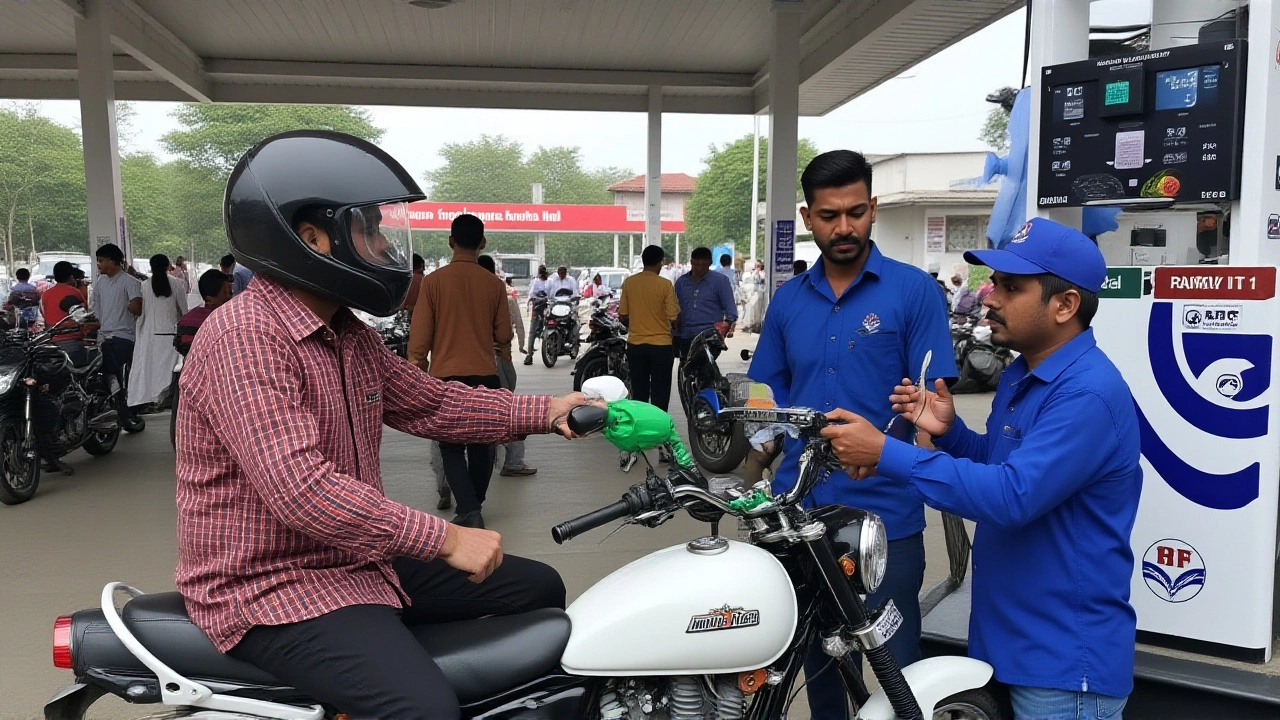
If you’re thinking of buying a car soon, hold on. Flex-fuel engines require modifications—different fuel injectors, sensors, and sometimes even battery systems. These changes usually mean a slight price hike compared to standard petrol models. However, over time, savings on fuel could offset the initial cost. Ethanol is often cheaper than petrol, especially as domestic production scales up.
Also, consider infrastructure. While E20 is becoming common, E85 stations are scarce. You might find yourself limited to certain regions or specific fuel chains. Until the network expands, flex-fuel cars might feel like electric vehicles five years ago—great in theory, tricky in practice. But early adopters know that convenience follows innovation.
Timeline and Next Steps
Mark your calendars for June 5, 2026. If reports are accurate, that’s when Maruti Suzuki will unveil its first flex-fuel offering. Expect a press conference, live demos, and plenty of questions about pricing and availability. After the launch, watch for regulatory updates from the Ministry of Petroleum and Natural Gas regarding fuel standards and subsidies.
In the background, the Society of Indian Automobile Manufacturers (SIAM) has been pushing for mandatory flex-fuel compatibility in new cars by 2025. While that deadline may slip, the momentum is undeniable. With major players entering the fray, the era of single-fuel dependency is ending. Whether it’s the WagonR or another model, one thing is clear: India’s automotive landscape is shifting, and ethanol is leading the charge.
Frequently Asked Questions
Which car will Maruti Suzuki launch as its first flex-fuel vehicle?
While Maruti Suzuki has not officially confirmed the model, widespread speculation points to the WagonR. Previous prototypes of the WagonR demonstrated capability to run on ethanol blends between 20% and 85%, making it a logical candidate for commercialization due to its high sales volume and compact size.
When is the expected launch date for India's first flex-fuel car?
Reports indicate the launch is scheduled for June 5, 2026, coinciding with World Environment Day. This date was hinted at by Union Minister Nitin Gadkari, although Maruti Suzuki has yet to release an official calendar confirmation for the event.
Can flex-fuel cars run on regular petrol?
Yes, flex-fuel vehicles are designed to operate on any mixture of gasoline and ethanol, typically ranging from pure petrol (E0) to high-concentration blends like E85. The engine management system automatically adjusts parameters based on the fuel composition detected in the tank.
How does this affect fuel prices for consumers?
Ethanol is generally cheaper than petrol in India due to local production from agricultural waste. As ethanol blending increases, overall fuel costs may decrease for consumers. However, the initial purchase price of flex-fuel cars might be slightly higher due to specialized engine components.
Is E85 fuel widely available in India right now?
Currently, E85 availability is limited. While E20 (20% ethanol) is being rolled out nationwide with over 3,300 stations already equipped, higher concentration blends like E85 are not yet common. Infrastructure expansion will be critical for the success of flex-fuel vehicles post-launch.



Written by Aarav Srinivasan
I'm Aarav Srinivasan, an expert in information services, media, and public relations. I have a passion for connecting with people and sharing stories that matter. My interests lie in exploring Indian life, culture, and news, which I write about extensively. I strive to bring attention to the diverse perspectives and experiences of the Indian community. My mission is to create meaningful connections through the power of storytelling and media.
All posts: Aarav Srinivasan